


Search Engine Optimization is changing as Google adds more generative AI experiences to search, including AI Overviews and AI Mode. These features can answer more complex questions directly within the search experience, but they do not make traditional SEO obsolete. Google’s current guidance is clear that the same foundational SEO practices still matter because its generative AI features rely on the core Search index, ranking systems and quality signals.
For Australian businesses, this means the priority should not be chasing a completely separate set of “AI SEO” tricks. Websites still need useful content, clear structure, crawlable pages, sound Web Development and a strong experience for real users. What is changing is how people discover information, how complex queries are answered and how businesses should measure visibility beyond a traditional list of blue links.
How Search Engine Optimization Fits Into AI-Powered Search
Search Engine Optimization still provides the foundation for appearing in Google’s AI-powered search experiences.
AI Overviews are designed to help users understand a topic quickly and then explore supporting sources. AI Mode goes further by helping users with more complex comparisons, research tasks and multi-part questions. Google explains that these features can use “query fan-out”, where the system conducts several related searches across subtopics to develop a broader answer.
This changes the way businesses should think about search visibility.
A person may once have searched for a short phrase, opened several websites and compared information manually. With AI-powered search, that same person may ask a longer question covering several requirements at once.
For example, instead of searching simply for “commercial website development”, someone may ask which website platform is suitable for a growing Australian business that needs ecommerce, CRM integration and strong SEO.
Search Engine Optimization therefore needs to address broader questions and related topics rather than concentrating exclusively on one exact keyword.
That does not mean forcing dozens of related terms into a page. It means understanding the questions customers ask before, during and after a buying decision and providing genuinely useful answers.
What Search Engine Optimization Still Needs to Achieve
Search Engine Optimization still needs to make content accessible, understandable and useful.
Google states that there are no additional technical requirements for appearing as a supporting link in AI Overviews or AI Mode. A page needs to be indexed, eligible to appear in Google Search and meet the normal technical requirements for Search.
That distinction matters because businesses may encounter services promoting special techniques supposedly required for AI search.
Google’s 2026 guidance specifically states that traditional SEO remains relevant and that optimizing for generative AI within Google Search is still fundamentally SEO. It also says that special files such as llms.txt are not required for visibility in Google Search or its generative AI features.
The practical objective remains familiar.
Create information people genuinely need, make it easy for search engines to discover, organize the website logically and maintain the technical health of important pages.
AI search changes the presentation of results, but it does not remove the need for a well-built website.
Create Content That Answers Real Search Questions
Why Search Engine Optimization Still Starts With Search Intent
Search Engine Optimization should begin with understanding why someone is searching.
A keyword is only a clue to the larger question behind the search.
Someone searching for “Search Engine Marketing”, for example, might be trying to understand the difference between organic SEO and paid advertising. Another person using the same phrase may already understand both services and be comparing providers.
Content that recognizes those different intentions is more useful than a page that simply repeats the target phrase.
This becomes even more important as AI-assisted search allows people to ask detailed, conversational questions.
Google’s generative AI guidance encourages website owners to provide valuable, useful information rather than generic content that could easily be reproduced from information already available across the web. Google refers to this as creating “non-commodity” content with genuine experience, perspective or insight.
Search Engine Optimization therefore benefits from answering the questions customers actually ask during real conversations.
A Web Development company, for example, may have genuine experience explaining why a certain platform suits one type of business but not another. A Digital Marketing provider may understand which metrics matter at different stages of a campaign.
That practical knowledge can create more useful content than simply producing another generic definition.
Building Search Engine Optimization Around Useful Content
Useful Search Engine Optimization should leave the reader with enough information to make progress without immediately needing another basic search.
Google continues to recommend helpful, reliable, people-first content. Its guidance encourages businesses to consider whether their content provides substantial information, demonstrates real knowledge and leaves visitors feeling that they have learned enough to achieve their goal.
AI-generated content does not automatically conflict with this approach.
Google’s guidance says generative AI can help with tasks such as research and structuring original information. The problem arises when automation is used to generate large numbers of pages without adding genuine value, which may fall under Google’s scaled content abuse policies.
This is an important distinction for businesses using AI to accelerate Digital Marketing.
AI can help organize information, but the final page should still contain something useful from the business itself. That may include practical explanations, original insights, service details, informed comparisons or experience gained from solving real customer problems.
Search Engine Optimization works best when AI supports expertise rather than replacing it.
Make Website Information Easy to Understand

How Search Engine Optimization Uses Clear Site Structure
Search Engine Optimization benefits from websites that are logically organised for both people and search engines.
Clear headings help visitors scan a page. Descriptive page titles tell users what they are about to read. Internal links help people move to related information and also give search engines pathways to discover other important pages.
Google’s Search Essentials specifically recommends making links crawlable and placing words people use to search in meaningful locations such as titles, main headings, link text and image alt text where appropriate.
This should not be interpreted as an instruction to place the same keyword everywhere.
A well-structured website uses descriptive language naturally.
For example, an article about ecommerce Web Development might link to a separate Shopify page when discussing platform selection and to a UI/U Design page when discussing usability. Those links help readers continue their research and establish clearer relationships between the website’s topics.
Search Engine Optimization increasingly benefits from this broader topic structure because AI search may explore several related aspects of a question before presenting its response.
A page does not need to answer every possible question. It does need to sit within a website where related information can be found logically.
Structured Data Within Search Engine Optimization
Structured data can help Search Engine Optimization by giving search engines machine-readable information about eligible page content.
Depending on the page, structured data can describe information such as products, organizations, breadcrumbs, events and other supported content types.
However, structured data is not a shortcut to rankings or guaranteed visibility.
It should accurately represent information that genuinely exists on the page and follow Google’s supported formats and guidelines.
The same principle applies in AI search.
Google does not require special AI-specific schema or new markup for a page to appear in AI Overviews or AI Mode. Standard Search requirements and supported structured data practices remain relevant.
Businesses should therefore avoid adding unnecessary technical markup simply because it has been promoted as an “AI SEO” requirement.
Use structured data where it accurately describes meaningful content and maintain it when page information changes.
Search Engine Optimization is stronger when technical implementation reflects the website accurately rather than attempting to manipulate how a search engine interprets the page.
Keep Technical SEO Strong as Search Evolves
Technical Foundations for Search Engine Optimization
Technical Search Engine Optimization remains important because search engines cannot use content effectively if they cannot reliably access or understand it.
Google first needs to discover a page through crawling, process it and then decide whether to index it. Problems involving server access, robots directives, incorrect status codes, canonization or rendering can prevent useful content from appearing properly.
Mobile accessibility and page performance also matter to the wider visitor experience.
Businesses should pay particular attention when important content depends heavily on JavaScript.
Google can render JavaScript, but its documentation explains that there are still differences and limitations that developers should account for. Important content should be tested using tools such as URL Inspection to confirm that Google can actually see the rendered page.
The arrival of AI search does not reduce the importance of these fundamentals.
If a valuable article is blocked from crawling or important text never appears in the rendered HTML, improving the wording for AI search will not solve the underlying problem.
Search Engine Optimization still begins with making the website technically accessible.
Web Development Supporting Search Engine Optimization
Web Development decisions can either support or complicate Search Engine Optimization.
Modern websites may use sophisticated JavaScript frameworks, dynamic interfaces, infinite scrolling and interactive tools. These can create excellent experiences when implemented properly, but they can also make important information harder to discover when search accessibility is not considered during development.
Google recommends alternatives such as server-side rendering, static rendering or hydration rather than relying on dynamic rendering as a long-term workaround for JavaScript indexing problems.
The same principle applies to Web Solutions such as filters, product catalogues and dynamically generated pages.
Each important piece of content should have a stable, crawlable URL where appropriate, and navigation should allow search engines and users to reach key information.
Search Engine Optimization therefore works best when SEO and Web Development are considered together.
SEO should not be something added after a website has been completed. Developers, designers and marketers should understand which content needs to be accessible and how customers are expected to move through the site.
That becomes even more valuable as search experiences become more complex.
Improve the Experience Behind the Search Result

UI/U Design and Search Engine Optimization
UI/U Design supports Search Engine Optimization by helping people use the website successfully after they arrive.
A strong search result can attract a visitor, but the website still needs to answer the person’s question.
Content should be easy to scan, navigation should be predictable and important information should not be hidden behind confusing interfaces.
Google’s people-first guidance encourages website owners to consider the complete page experience rather than focusing on one isolated metric.
This is particularly important for service businesses.
A potential customer may arrive through an informational article, read about a service and then want to compare options or make an inquiry.
If the service pages are difficult to understand or the contact process is confusing, higher search visibility does not automatically translate into business value.
Search Engine Optimization therefore needs to connect with UI/U Design and conversion journeys rather than ending once the page ranks.
Why Search Engine Optimization Should Support Real Users
Search Engine Optimization should ultimately help the right people find useful information and take the next sensible step.
This is why rankings should not be viewed in isolation.
A keyword may move from position eight to position four while producing no meaningful increase in inquiries. Another article may attract visitors through a wide range of specific questions and generate more qualified leads even though it does not rank first for a single headline term.
AI-powered search may make these differences more noticeable.
People can now ask more detailed questions before they click, which means a visitor arriving from AI search may already have a clearer understanding of what they need.
Google has said that generative AI search creates opportunities for users to discover more sources while researching complex questions.
Businesses should therefore make sure their website continues that experience.
The page should deliver what the search result promised and give the visitor a logical path to learn more, compare services or make contact.
Understand SEO’s Role in the Wider Marketing Mix
Search Engine Optimization and Search Engine Marketing
Search Engine Optimization and Search Engine Marketing can support different stages of the same customer journey.
Organic SEO focuses on improving unpaid visibility by making website content useful, accessible and relevant.
Pay Per Click Advertising allows businesses to pay for placements against selected search terms and can provide faster exposure for campaigns where immediate traffic is required.
Neither approach automatically replaces the other.
A new service may use Pay Per Click Advertising while organic pages develop visibility over time. SEO content may answer early research questions, while paid campaigns target users ready to request a quote.
Search Engine Optimization can also provide useful information for paid campaigns.
Search queries that repeatedly generate organic inquiries may identify valuable paid opportunities, while Pay Per Click Advertising data can reveal which messages attract potential customers.
The strongest approach depends on the business, competition, budget and customer journey rather than assuming every organization needs exactly the same mix.
Search Engine Optimization Alongside Digital Marketing
Search Engine Optimization also works alongside broader Digital Marketing rather than operating in isolation.
A useful article discovered through Google may later be shared through Social Media Marketing. A social post may introduce someone to the brand before they search for the company by name. An email campaign may return an existing visitor to a resource originally discovered through organic search.
These channels influence different parts of customer behavior.
Search Engine Optimization is particularly strong when someone is actively looking for information, products or services. Social Media Marketing may be more useful for creating awareness before an active search begins.
Web Solutions, paid advertising, content, email and organic search can therefore support each other when the messaging remains consistent.
The business should avoid measuring every channel using the same metric.
SEO might be evaluated through organic visibility, qualified traffic and inquiries. Social campaigns may initially be judged through reach and engagement. Paid advertising may focus more immediately on cost per lead or conversion.
Digital Marketing works better when each channel has a defined role.
Measure Visibility Beyond Traditional Rankings
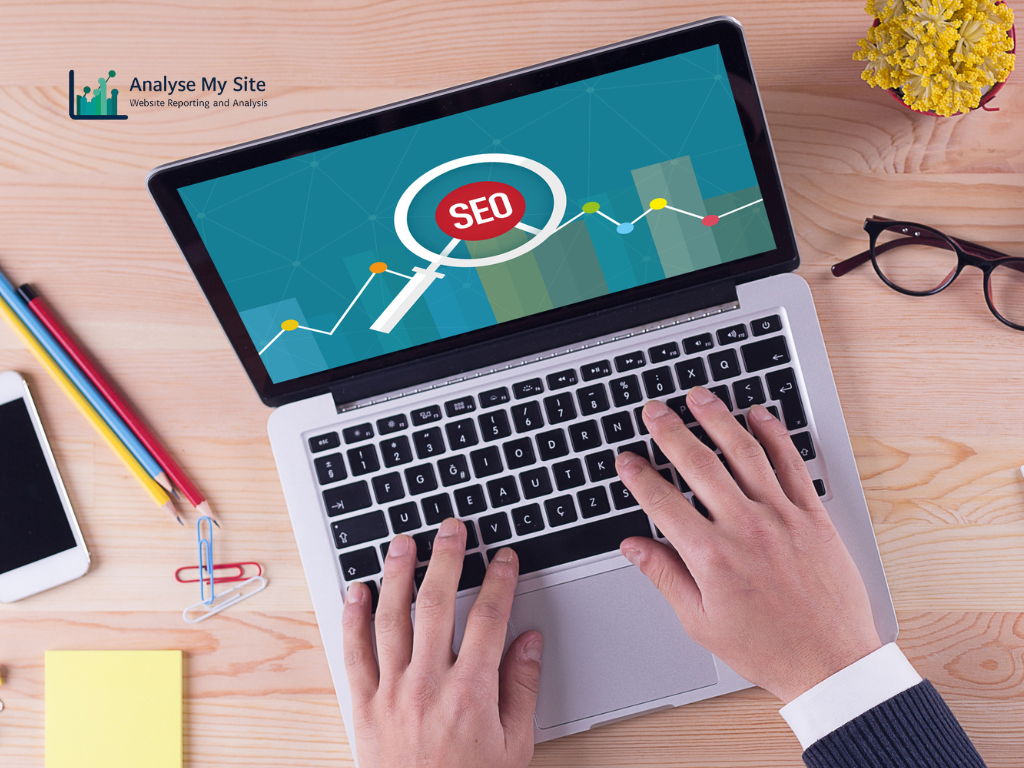
How Search Engine Optimization Results Are Changing
Search Engine Optimization measurement needs to evolve alongside the search experience.
Traditional keyword rankings are still useful, but they no longer provide the complete picture.
Businesses should also consider impressions, clicks, landing-page traffic, conversions and the quality of inquiries generated through organic search.
Google introduced dedicated Generative AI performance reports in Search Console during 2026. By 31 August 2026, Google said these insights had been rolled out to websites worldwide, allowing site owners to view impressions associated with generative AI features such as AI Overviews and AI Mode.
This gives businesses another way to understand how their content is being discovered.
It also reinforces why relying on a single ranking report is becoming less useful.
A website may gain valuable visibility through AI search features, long-tail searches and multiple related queries that do not appear clearly in a traditional short keyword list.
Search Engine Optimization reporting should therefore connect visibility with business outcomes.
Traffic matters, but inquiries, leads, sales and meaningful user engagement matter more.
Keeping Search Engine Optimization Ready for AI Search
Search Engine Optimization for AI search does not require rebuilding an entire strategy around a new acronym.
Google’s current guidance advises website owners to continue applying foundational SEO, create useful and distinctive content, maintain sound technical structure and measure generative AI visibility through Search Console. It specifically warns against unsupported “AEO” or “GEO” shortcuts that promise special access to Google’s AI systems.
That makes ongoing website review more important than chasing every new tactic.
Important pages should be updated when the information genuinely changes. Search Console should be monitored for indexing problems and visibility changes. Technical issues should be addressed before they affect large sections of the website.
Analyse My Site can be useful for businesses that want to review how their Search Engine Optimization, content, Web Development and UI/U Design work together rather than evaluating each area separately.
This is also where internal linking between SEO services, website analysis, Web Development and related Digital Marketing resources can help users move naturally from understanding a search problem to exploring the service that addresses it.
AI is changing the way search results are presented, but the underlying goal remains familiar. Create a website that is useful to people, technically accessible to search engines and clear about the expertise, products or services the business provides.